
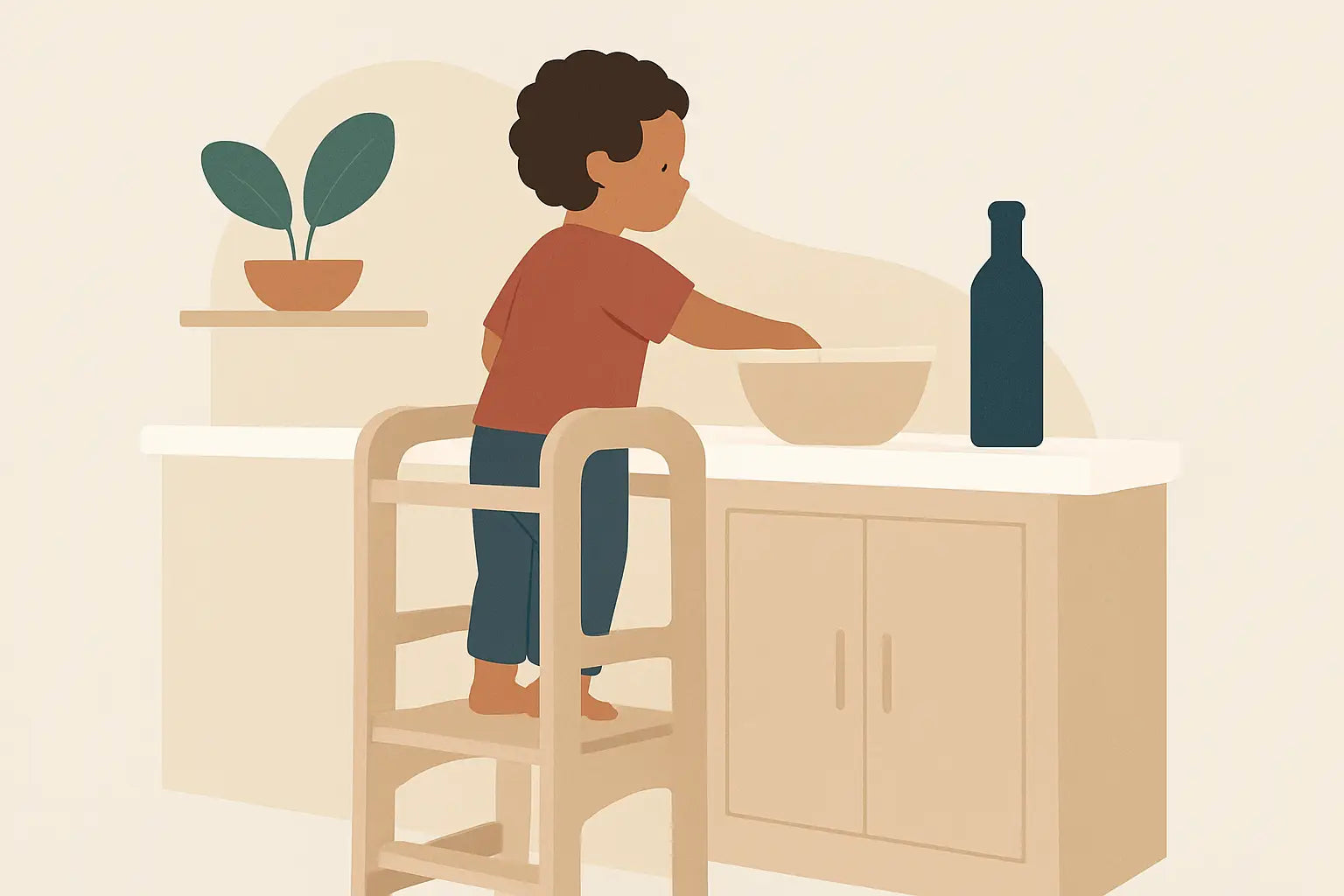
Montessori Learning Towers: Enhance Your Toddler's Independence
Montessori Learning Towers: A Key to Unlocking Independence in Toddlers
Imagine your child, barely out of diapers, standing confidently at the kitchen counter, mixing ingredients, or washing vegetables next to you. This vision is not just a parenting daydream but an achievable reality with the use of Montessori learning towers. These innovative pieces of furniture are changing the way parents and children interact at home, aiming to bridge the gap between safety and independence.
Montessori learning towers are designed specifically to make high surfaces accessible to toddlers. Unlike regular step stools, learning towers provide a more secure structure, often with adjustable features, that supports a child's urge to explore. The question isn't just about what these towers are, but why they matter so deeply in child development.
The Importance of Montessori Principles in Early Childhood
Before delving into the specifics of learning towers, it's essential to understand the philosophy of Montessori, which underpins these products. Developed by Dr. Maria Montessori in the early 1900s, the Montessori method emphasizes self-directed activity, hands-on learning, and collaborative play. For toddlers, this means an environment tailored to their size and capabilities, ensuring they can learn at their own pace.
This approach nurtures independence from a very young age. It’s about providing children with the tools and opportunities to discover their world safely. Montessori learning towers embody this philosophy by enabling children to engage in daily activities independently.
What Makes Learning Towers Different?
- Safety First: Unlike traditional stools, learning towers are designed with high sides or enclosed structures to prevent falls. This safety feature grants parents peace of mind while allowing children the freedom to explore.
- Adjustable Heights: Many learning towers come with adjustable platforms that grow with your child, giving them years of practical use.
- Stable Construction: Made from durable materials like wood, they are built to withstand active use.
- Encouraging Participation: By enabling children to reach higher, they can participate in everyday tasks, fostering a sense of belonging and contribution.
How Learning Towers Foster Child Development
1. Building Confidence and Independence
A key tenet of Montessori philosophy is fostering independence. Learning towers allow toddlers to engage in tasks they otherwise couldn’t, building confidence in their abilities. As they wash their fruits or prepare simple recipes beside their parents, they gain practical life skills and self-reliance.
2. Enhancing Fine and Gross Motor Skills
The very act of climbing into a learning tower aids gross motor development. Once there, tasks such as stirring, pouring, or even organizing utensils develop fine motor skills. These are foundational skills that support later tasks, like writing or tying shoelaces.
3. Encouraging Curiosity and Exploration
Children are naturally inquisitive. A learning tower provides a safe platform to explore various activities, satisfying their curiosity while learning about cause and effect, spatial relationships, and even simple math and science concepts.
4. Promoting Social Skills
As toddlers take part in family tasks, they learn to communicate and cooperate, building essential social skills. Cooking dinner becomes a team effort where they learn the importance of working together.
Integration into the Modern Home
One of the challenges parents face is seamlessly integrating child furniture into modern home aesthetics. Montessori learning towers come in a variety of styles and finishes, ensuring they blend beautifully with contemporary home decor. From natural wood finishes to sleek, minimal designs, there's an option to suit every family style.
Choosing the Right Montessori Learning Tower
Given the variety on the market, selecting the right learning tower can be daunting. Here are key considerations:
-
Material: Opt for towers made from solid wood for durability and sustainability. Avoid plastic versions as they might not offer the same stability and longevity.
-
Size and Adjustability: Ensure the tower fits into your space and is height-adjustable to grow with your child.
-
Safety Features: Look for non-slip bases, rounded edges, and guardrails to handle any bumps or slips.
-
Ease of Cleaning: Kids are prone to spills, so a finish that wipes clean can be incredibly useful.
-
Design: Select a design that complements your home's aesthetic, offering style as well as function.
The Montivive.cz Experience
At Montivive.cz, we understand the critical role that thoughtful design and safety play in selecting the right learning tower for your child. Our range of Montessori-inspired children's furniture is crafted to support development while adhering to the highest European safety standards. Each piece is designed not just to function optimally but to enhance the ambiance of modern homes. Explore our selection to find the perfect match for your family’s needs.
Setting Up Your Learning Tower Environment
Once you've chosen the right learning tower, think about how to set up an inviting environment:
- Location: Place the tower near counters or sinks where your child can safely engage in activities.
- Tools: Provide child-safe kitchen tools, art supplies, or cleaning fixtures.
- Involvement: Start with simple, supervised tasks and gradually increase complexity as confidence grows.
Guarding Against Pitfalls
While learning towers are excellent tools for development, some potential pitfalls include:
- Supervision: Never leave young children unattended in a learning tower.
- Overreliance: Balance guided activities with free play to maintain a healthy variety of learning experiences.
- Hygiene: Ensure your learning tower space is clean and hygienic, particularly if used in the kitchen.
Conclusion: Empowerment Through Independence
Montessori learning towers symbolize more than just an aid for reach. They’re about empowering children, channelling their innate curiosity into meaningful and practical applications. These towers offer an invaluable opportunity for toddlers to gain confidence, discover the joy of participation, and develop essential life skills in a nurturing environment.
For parents, choosing the right tools to foster this growth is paramount. With a focus on quality, safety, and design, options like those available at Montivive.cz bring these benefits into the homes of discerning parents, creating spaces where children can thrive independently.
Let your child step up into a new world of discovery and learning, where their potential knows no bounds, and their involvement in daily life becomes a cornerstone of their development.
FAQs on Montessori Learning Towers
Q: Are Montessori learning towers suitable for all kitchen spaces?
A: Most learning towers are designed to fit standard kitchen spaces. However, measuring your space before purchasing ensures the tower will integrate well with your furniture and layout.
Q: What age is appropriate for starting use of a learning tower?
A: Typically, learning towers are suitable for children aged 18 months to 6 years. Always make sure your child can safely climb in and out as part of your decision.
Q: How can I encourage my child to use the learning tower?
A: Involve them in activities they find interesting, such as helping with baking or simple food preparation. Positive reinforcement and making activities fun can greatly enhance their willingness to participate.